
Royal Jelly
Royal Jelly: Unveiling the Queen Bee's Secret for Human Health
The intricate world of the beehive has long captivated human imagination, offering not only the sweetness of honey but also a treasure trove of other remarkable substances. Among these, Royal Jelly stands out, shrouded in a mystique born from its association with the extraordinary life of the queen bee. This milky, gelatinous secretion is the legendary substance believed to be the cornerstone of her remarkable longevity, prolific fertility, and imposing size. As interest in natural compounds and dietary supplements grows, Royal Jelly has garnered significant attention, prompting a closer look at its properties and purported benefits for human health.
I. What is Royal Jelly? A Royal Secret Revealed
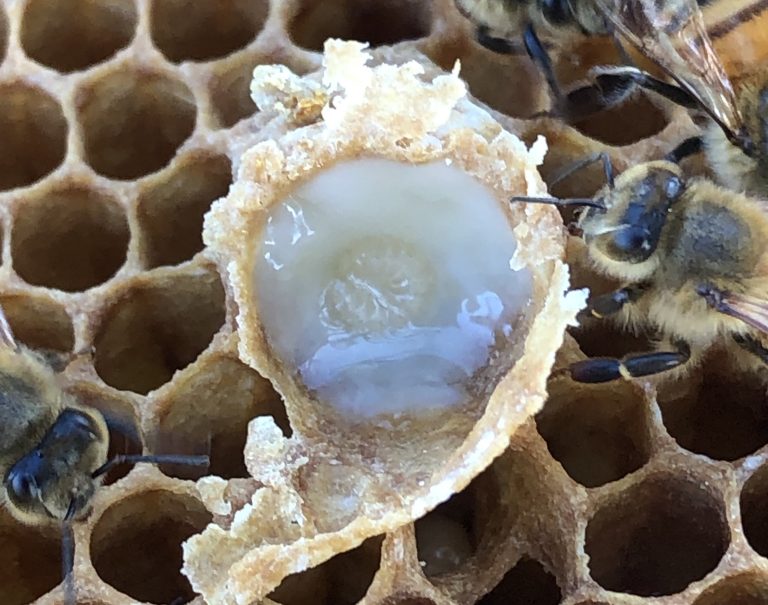
Royal Jelly is a unique biological substance secreted by the hypopharyngeal, or brood food, glands of young worker (nurse) bees. It presents as a homogeneous, fairly fluid paste, whitish in color with yellow or beige tinges, possessing a pungent phenolic odor and a characteristic sour flavor. Its consistency is often compared to plain yogurt or custard. This complex mix of substances is created by bees transforming honey and pollen, which they then mix with their saliva.
Within the bee colony, Royal Jelly plays a pivotal role in the development and life cycle of its members. All bee larvae, regardless of their destined caste—whether drone, worker, or queen—receive Royal Jelly for their first three days of life. The profound difference in their development hinges on what happens after these initial days. Larvae destined to become worker bees transition to a diet of “bee bread,” a mixture of pollen, nectar, and honey. In stark contrast, larvae selected to become queens continue to be fed copious amounts of Royal Jelly exclusively throughout their entire developmental stage and for the remainder of their adult lives. This exclusive and sustained diet of Royal Jelly is the singular trigger for the development of queen morphology, leading to their significantly larger size, fully developed ovaries essential for egg-laying, and an astonishingly longer lifespan—four to five years for a queen compared to a mere five to seven weeks for an active worker bee. This remarkable transformation is mediated by an epigenetic process, specifically attributed to a protein known as royalactin (Major Royal Jelly Protein 1 or MRJP1), which influences DNA methylation and gene expression, thereby dictating the queen’s developmental trajectory.
The popular understanding of Royal Jelly often centers on its “royal” exclusivity from birth. However, the biological reality within the hive reveals that the transformative power of Royal Jelly is not about initial access, but rather the continuous and abundant feeding that steers a larva towards queen development. This sustained, unique diet, and the epigenetic changes it induces, are highly specific to bee biology. Understanding this distinction is crucial for setting realistic expectations regarding any potential human health benefits, as the dramatic effects observed in bees are intrinsically linked to their unique developmental pathways and may not directly parallel human aging or vitality in the same manner.
Harvesting Royal Jelly is a specialized and labor-intensive process, contributing to its relatively higher cost and rarity compared to other bee products. Unlike honey, Royal Jelly is not stored by bees; it is fed directly to the queen or larvae as it is secreted. Consequently, its collection is only feasible under specific conditions, primarily during queen rearing. In this process, beekeepers stimulate colonies to produce an over-abundance of queen bees, leading to an accumulation of Royal Jelly in special queen cells. This excess is then collected, typically when the queen larvae are about four days old. The fact that Royal Jelly requires such active management and is not a naturally stored product like honey explains why it has not been a traditional beekeeping product and why its commercial value remains high.
II. The Science Behind the “Superfood”: Royal Jelly’s Rich Composition
Royal Jelly’s unique biological role is underpinned by its complex and distinctive chemical composition. Approximately two-thirds of fresh Royal Jelly is water, typically ranging from 60% to 70%. By dry weight, proteins constitute a major fraction, averaging 73.9% of nitrogenous substances. Overall, proteins make up between 12.5% and 18% of fresh Royal Jelly. A significant portion of these are Major Royal Jelly Proteins (MRJPs), with MRJP1 (royalactin), MRJP2, MRJP3, MRJP4, and MRJP5 accounting for 83% to 90% of the total protein content. Sugars, primarily fructose and glucose, are also abundant, making up 10% to 16% of the composition.
A particularly unique feature of Royal Jelly is its lipid content. This fraction consists of 80% to 90% (by dry weight) of free fatty acids with unusual structures, predominantly short-chain hydroxy fatty acids or dicarboxylic acids. The most prominent of these is 10-hydroxy-2-decenoic acid (10-HDA), which constitutes about 3.5% of fresh Royal Jelly. 10-HDA is unique to Royal Jelly among natural substances and is largely responsible for many of its recorded biological properties, including immunomodulatory, anti-microbial, and anti-tumor effects. The consistent identification of 10-HDA as a unique and critical component underscores its importance not just for its biological properties but also as a standard for product quality. Its concentration serves as a measurable criterion for consumers to assess authenticity and potency, shifting the focus from general “natural” claims to specific biochemical markers.
Beyond macronutrients and unique lipids, Royal Jelly contains a diverse array of micronutrients and other bioactive compounds. It provides trace minerals such as calcium, copper, iron, phosphorus, potassium, silicon, and sulfur , and a full spectrum of B vitamins, including B1 (thiamin), B2 (riboflavin), B5 (pantothenic acid), B6 (pyridoxine), B12, folic acid, niacin, and biotin, along with trace amounts of vitamin C. Notably, it lacks fat-soluble vitamins A, D, E, or K. Additionally, Royal Jelly contains 17 to 29 different amino acids, including all eight essential amino acids crucial for human health. Other compounds identified include sterols (such as cholesterol), phosphorous compounds, acetylcholine, gamma globulin, various enzymes (like glucose oxidase, phosphatase, and cholinesterase), and phytonutrients such as phenols and flavonoids.
The Major Royal Jelly Proteins (MRJPs), particularly royalactin, are responsible for the epigenetic changes that determine queen development and longevity in bees. While this phenomenon demonstrates a profound impact on bee biology, direct translation of such epigenetic effects to human longevity or anti-aging is still largely theoretical and requires extensive human-specific research. However, preclinical studies involving MRJPs have indicated a broader range of biological activities in other organisms, including antioxidant, anti-bacterial, anti-tumor, anti-aging, cell-growth promoting, injury healing, neuroprotective, anti-inflammatory, and immunomodulatory effects. This suggests potential therapeutic avenues that warrant further investigation in humans, highlighting a promising, albeit early, area of research.
Table 1: Key Nutritional Components of Royal Jelly
|
Component Category |
Specific Compound |
Approximate Percentage/Presence (Fresh Weight) |
Key Role/Significance |
|
Macronutrients |
Water |
60-70% |
Solvent, aids consistency |
|
Proteins (total) |
12.5-18% |
Structural, enzymatic, bioactive (MRJPs) |
|
|
Major Royal Jelly Proteins (MRJPs) |
83-90% of total proteins |
Epigenetic effects in bees, potential broad bioactivity |
|
|
Sugars (Fructose, Glucose, Sucrose, etc.) |
10-16% |
Energy source |
|
|
Unique Lipids |
10-Hydroxy-2-decenoic acid (10-HDA) |
~3.5% (of fresh RJ) |
Unique to RJ, quality indicator, antimicrobial, immunomodulatory |
|
Micronutrients |
B Vitamins (B1, B2, B5, B6, B12, Folic Acid, Niacin, Biotin) |
Present (trace to high amounts) |
Co-factors for metabolism, nerve function |
|
Vitamin C |
Trace amounts |
Antioxidant |
|
|
Minerals (Calcium, Copper, Iron, Phosphorus, Potassium, Silicon, Sulfur) |
Trace amounts |
Bone health, nerve function, enzyme activity |
|
|
Other Bioactive Compounds |
Amino Acids (17-29, including 8 essential) |
Present |
Protein synthesis, collagen production |
|
Flavonoids & Phenols |
Present |
Antioxidant, anti-inflammatory |
|
|
Acetylcholine, Gamma Globulin, Enzymes |
Present |
Neurotransmitter, immune support, digestion |
III. Exploring the Potential: Royal Jelly’s Health Benefits for Humans
While Royal Jelly is widely marketed as a dietary supplement for humans, the scientific community maintains a cautious stance regarding its broad health claims. The European Food Safety Authority (EFSA) concluded in 2011 that current evidence does not sufficiently support claims that consuming Royal Jelly offers health benefits to humans. Similarly, much of the current human research remains limited, and many health claims are considered unproven at this time. Ongoing, robust research is necessary to fully understand its effects, as existing evidence is not universally conclusive. There are identified gaps in knowledge, particularly concerning the need for standardized dosing regimens and long-term safety assessments. This highlights that while Royal Jelly is recognized for its rich nutrient and antioxidant content, and preclinical studies show encouraging results, robust, large-scale human clinical trials are still largely limited. This distinction between potential therapeutic effects observed in laboratory settings or small trials and definitively proven benefits for the general population underscores the ongoing need for rigorous research to substantiate many of the proposed uses.
Despite the overall call for more conclusive human trials, several areas of potential benefit have emerged from preliminary research:
Immune System Support: Royal Jelly is believed to possess antimicrobial, antibacterial, and antiviral properties. Research suggests it may enhance immunity and exert immunomodulatory effects, potentially by stimulating macrophages and improving the composition of intestinal flora. Furthermore, some studies indicate its potential role in supporting wound healing.
Anti-inflammatory and Antioxidant Properties: Royal Jelly is recognized for its antioxidant qualities, which help to combat free radicals and reduce oxidative stress—a key contributor to chronic conditions. Its anti-inflammatory properties are also believed to protect against various inflammation-related disorders. Clinical trials have shown promising results; for instance, a study on Multiple Sclerosis patients indicated that Royal Jelly supplementation significantly decreased inflammatory markers and oxidative stress indices. Another systematic review suggests its potential to reduce oxidative stress and inflammation following physical activity. The consistent observation of Royal Jelly’s antioxidant, anti-inflammatory, and antimicrobial properties across various studies provides a scientific basis for many of its purported benefits. Compounds like 10-HDA, flavonoids, and Major Royal Jelly Proteins appear to contribute to these fundamental biological activities.
Skin Health and Anti-Aging: Widely incorporated into cosmetic products, Royal Jelly’s rich composition of proteins, vitamins, fatty acids, and antioxidants is thought to nourish and hydrate the skin, promoting cell regeneration and collagen synthesis. It may help reduce the appearance of wrinkles and fine lines, improve skin texture, and protect against oxidative stress. Its anti-inflammatory and antimicrobial properties can also soothe irritated skin and aid healing, potentially benefiting conditions like eczema or dermatitis. Some studies suggest it may improve skin moisturizing and pigmentation. A clinical trial is currently investigating the effects of a Royal Jelly and bee venom-derived cream on skin health and signs of aging.
Hormonal Balance and Menopausal Symptom Relief: Royal Jelly has been investigated as a natural alternative for alleviating menopausal symptoms, an area with more consistent human clinical trial data. A randomized placebo-controlled clinical trial involving menopausal women reported that daily supplementation with 1,000 mg of Royal Jelly significantly reduced hot flashes and night sweats (a 35% reduction), improved mood (a 25% decrease in anxiety, a 30% improvement in mood), enhanced sleep quality (a 20% improvement), and modestly increased sexual satisfaction and vaginal moisture. Another trial indicated that 1000 mg daily for eight weeks was effective in alleviating menopausal symptoms. These potential benefits may stem from its suggested “estrogen-like effects” and its ability to increase hormone production. Among the various potential applications, the evidence for Royal Jelly’s role in alleviating menopausal symptoms appears more consistent and supported by human clinical trials, providing a more tangible example of Royal Jelly’s potential therapeutic value.
Metabolic Health (Blood Sugar & Cholesterol Management): Some research suggests that Royal Jelly may assist in managing blood sugar levels. One open-label clinical trial, for instance, demonstrated that the oral ingestion of 20 grams of Royal Jelly could successfully reduce blood glucose serum levels during a standard glucose tolerance test. Furthermore, it has been shown to lower cholesterol levels, particularly low-density lipoprotein (LDL) cholesterol, and may contribute to improved liver health. There are also indications that it may help reduce blood pressure.
Other Proposed Uses: Traditional and anecdotal uses of Royal Jelly encompass a wide range of conditions, including aiding liver disease, pancreatitis, insomnia, stomach ulcers, kidney disease, bone fractures, stress reduction, anxiety, depression, fatigue, hair loss, hay fever, improving endurance, infertility, and neuroprotection. While these uses are part of its historical and cultural application, they largely await comprehensive scientific validation through rigorous human clinical trials.
IV. Navigating Usage: Forms, Dosage, Quality, and Safety
Royal Jelly is available in various forms to suit different preferences and applications. These include fresh Royal Jelly, often found in jars; capsules, which typically contain concentrated powder; pure powder that can be blended into drinks or food; and topical applications such as creams and salves for skin care. Fresh Royal Jelly is generally considered a pure form with minimal additives, retaining the full spectrum of its natural nutrients, but it is also highly delicate and perishable. Lyophilized (freeze-dried) powder offers greater stability and a longer shelf life, though the processing involved may potentially alter some of its properties.
When considering usage, it is important to note that there is currently no universally established recommended dosage for Royal Jelly due to limited human research and the varying concentrations in different product forms. Dosages used in research studies have varied widely, ranging from as little as 150 mg to as much as 4,000 mg daily. General recommendations for daily consumption suggest 300 mg to 1.2 grams of fresh Royal Jelly, or up to 400 mg of lyophilized jelly. It is often advised to start with a small amount to assess individual tolerance. For optimal nutrient assimilation, Royal Jelly is frequently recommended to be taken on an empty stomach. It can be consumed in various ways: spread on toast, added to oatmeal or breakfast cereal, mixed with honey, stirred into coffee or tea, or, in powder form, blended into smoothies, juices, or shakes.
Proper storage is critical for maintaining the potency and quality of Royal Jelly, as it is a delicate substance that degrades easily. Fresh Royal Jelly must be refrigerated immediately upon harvest and stored at temperatures between 32°F and 39°F (0°C to 4°C) to maintain its quality for approximately six months. To avoid temperature fluctuations, it should be stored in the main body of the refrigerator, not the door. For long-term preservation, freezing at temperatures below 0°F (-18°C) is the most effective method, allowing it to retain its nutritional properties for up to two years. It is advisable to divide Royal Jelly into small, single-use portions before freezing. The choice of container is also important: dark glass or food-grade high-density polyethylene (HDPE) or polypropylene (PP) plastic containers are recommended. Clear plastic should be avoided unless stored in complete darkness, and metal containers should never be used due to the acidic nature of Royal Jelly, which can cause corrosion and contamination. Furthermore, minimizing exposure to light, particularly UV light, and air (to prevent oxidation) is crucial. Storing containers in dark areas and ensuring they are airtight helps preserve the beneficial compounds.
The quality and authenticity of Royal Jelly are significantly indicated by its 10-HDA concentration. The international ISO 12824 standard requires a minimum concentration of 1.4 grams of 10-HDA per 100 grams of fresh Royal Jelly, with premium products sometimes boasting a 2% 10-HDA content. The chemical composition and overall quality of Royal Jelly can vary significantly depending on factors such as geographic location, the nectar sources available to the bees, harvesting practices, and even the specific bee species. The existence of international standards and warnings about artificial enrichment of 10-HDA highlight the importance for consumers to seek out reputable suppliers who provide transparency regarding their product’s origin, processing methods, and analytical certificates. Prioritizing quality laboratories that provide product analysis certificates and looking for labels like GRF (Gelée Royale Française) can help ensure authenticity and quality. It is also important to distinguish between Type 1 Royal Jelly, where bees are fed naturally on pollen, honey, or nectar, and Type 2, where supplementary sugars or proteins have been added to the bee feed. Organic certification can further assure that the product is free from pesticides or heavy metals.
Despite its natural origin, Royal Jelly is not without potential side effects and contraindications, making careful consideration and medical consultation essential. Allergic reactions are the most common and potentially severe side effect, ranging from mild skin irritations (such as rash or itching) and gastrointestinal upset (including stomach discomfort or bloody diarrhea and cough) to life-threatening anaphylaxis, characterized by shortness of breath, cardiovascular collapse, and in rare cases, death. Individuals with known allergies to bee products (such as honey, pollen, or bee stings), as well as those with asthma or atopic diseases like eczema or allergic rhinitis, are at a significantly increased risk of experiencing these reactions. This underscores the necessity for individuals, particularly those in high-risk categories, to exercise extreme caution and consult a healthcare professional before considering Royal Jelly supplementation.
Furthermore, Royal Jelly may interact with certain medications, which could lead to serious health consequences. It may increase the risk of bleeding when taken with blood thinners like warfarin. For individuals with diabetes, Royal Jelly can cause blood sugar levels to drop too low, leading to hypoglycemia, especially when combined with diabetes medications. Similarly, it may cause blood pressure to drop excessively in those taking antihypertensive medications. There is also a possibility of interaction with hormone therapies, as Royal Jelly may increase levels of estrogen and DHEA-S. While some research suggests it might enhance the effectiveness or reduce side effects of chemotherapy drugs, medical consultation is absolutely essential in such cases.
Certain populations should exercise particular caution or avoid Royal Jelly altogether. It is generally not recommended for pregnant or nursing women due to insufficient reliable information regarding its safety in these groups. Similarly, caution is advised for children, although some sources mention possible short-term safety for those aged 5-16 years. Individuals with hormone-dependent cancers should also avoid Royal Jelly. In all cases, individuals with underlying health issues or those currently taking medications should consult their healthcare provider before incorporating Royal Jelly into their regimen. The potential for Royal Jelly to interact with certain medications necessitates a strong recommendation for medical consultation. These interactions could lead to serious health consequences, emphasizing that natural supplemets can have potent biological effects and should be integrated into a health regimen only under professional medical guidance.
Table 2: Who Should Exercise Caution with Royal Jelly?
|
Category |
Specific Condition/Drug/Group |
Reason for Caution/Risk |
|
Allergies |
Known allergy to bee products (honey, pollen, bee stings) |
Severe allergic reactions, including anaphylaxis, potentially fatal |
|
Asthma or Atopic Diseases (e.g., eczema, allergic rhinitis) |
Increased risk of severe allergic reactions |
|
|
Medical Conditions |
Diabetes |
May cause blood sugar to drop too low (hypoglycemia) |
|
High Blood Pressure (Hypertension) |
May cause blood pressure to drop too low |
|
|
Hormone-Dependent Cancers |
Potential estrogen-like effects may interfere with treatment or condition |
|
|
Medications |
Blood Thinners (e.g., Warfarin) |
May increase bleeding risk |
|
Diabetes Medications |
Increased risk of hypoglycemia |
|
|
Antihypertensive Medications |
Increased risk of low blood pressure |
|
|
Hormone Therapies |
May interact by increasing estrogen/DHEA-S levels |
|
|
Chemotherapy Drugs |
Consult doctor; potential interactions, though some studies suggest benefits |
|
|
Life Stages |
Pregnant Women |
Insufficient reliable information; generally not recommended |
|
Nursing Women |
Insufficient reliable information; generally not recommended |
|
|
Children (especially young children) |
Limited research; caution advised |
V. Royal Jelly in Context: Differentiating from Other Bee Products
The beehive is a source of several remarkable natural products, each with distinct origins, compositions, and purported benefits. Understanding these differences is key to appreciating Royal Jelly’s unique place.
Honey: This well-known sweet substance is produced by bees transforming nectar collected from flowers. Honey is widely recognized for its traditional and scientific applications in wound healing, owing to its antimicrobial, tissue regeneration, and debridement properties. It also possesses natural antibacterial, antifungal, and antioxidant qualities, making it a versatile natural remedy for burns, skin disorders, and even infections resistant to antibiotics.
Bee Pollen: Bee pollen consists of tiny granules collected by bees from flowers, which they then mix with nectar or honey, enzymes, wax, and their own secretions. This mixture serves as a primary food source for the bee colony. Bee pollen is often hailed as a nutrient-dense “superfood” due to its rich content of proteins (including all essential amino acids), a wide array of vitamins (such as A, C, E, and several B complex vitamins), minerals, and enzymes. Its potential benefits for humans include boosting energy levels, alleviating allergy symptoms through its anti-inflammatory properties, supporting immune function, and promoting gastrointestinal health.
Propolis: Often referred to as “bee glue,” propolis is a sticky, resinous substance created by bees from tree resins, beeswax, and bee saliva. Bees use propolis to seal and protect their hive from harmful microorganisms. Propolis is renowned for its potent antimicrobial properties, acting against bacteria, fungi, and viruses. It also exhibits strong anti-inflammatory and antioxidant effects, attributed to its rich content of flavonoids and phenolic compounds. Its benefits extend to strengthening the immune system, aiding in wound healing, and potentially supporting oral health.
Key Distinctions from Royal Jelly: The fundamental differences among these bee products lie in their production, purpose within the hive, and resulting chemical composition. Royal Jelly is a unique secretion directly from the hypopharyngeal glands of nurse bees, specifically produced to foster the development and sustain the life of the queen bee. In contrast, honey is nectar that bees process and store; bee pollen is collected pollen grains; and propolis is a processed tree resin used for structural integrity and defense. This distinct origin directly influences their unique compositions. Royal Jelly is particularly notable for its high water content, the presence of specific Major Royal Jelly Proteins (MRJPs) like royalactin, and the unique fatty acid 10-HDA, compounds that are less prominent or entirely absent in honey, bee pollen, or propolis.
This difference in biological role within the hive fundamentally differentiates Royal Jelly. While all bee products offer various health benefits, Royal Jelly is distinctively linked to developmental triggers, longevity, and hormonal effects, particularly evident in the queen bee’s life. Honey, on the other hand, is primarily recognized for its wound-healing and general antimicrobial properties; bee pollen for its comprehensive nutritional profile and energy-boosting qualities; and propolis for its robust antimicrobial and immune-supporting defense mechanisms. Understanding these distinctions helps to clarify why each bee product, despite sharing a common source, offers a unique set of properties and potential benefits for human health.