
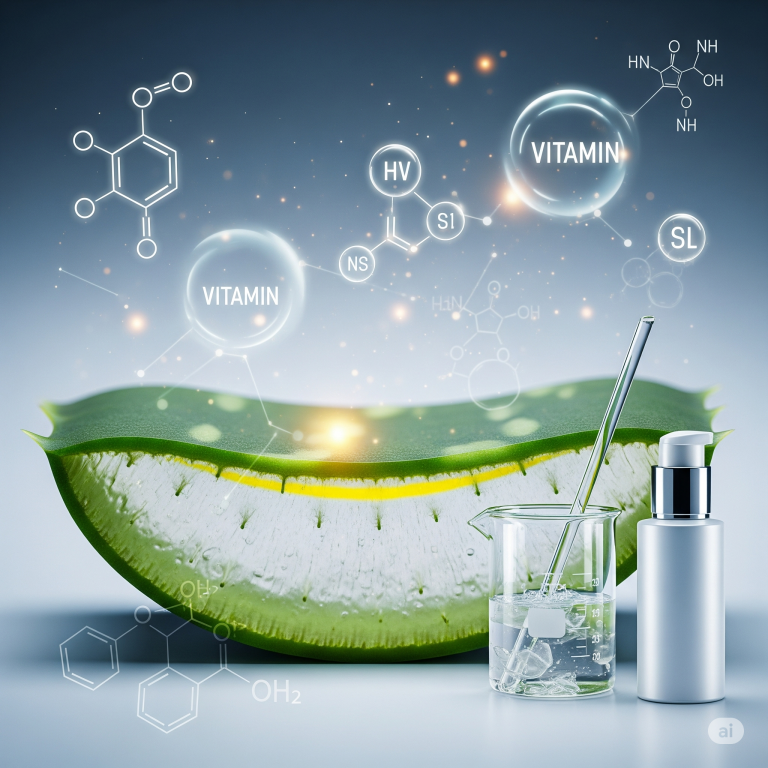
Aloe Gel
The Multifaceted World of Aloe Vera: Botanical Profile, Therapeutic Applications, and Quality Considerations
1. Introduction to Aloe vera: A Botanical Overview
Aloe vera, scientifically recognized as Aloe barbadensis miller, stands as a prominent succulent plant distinguished by its thick, short stem and fleshy leaves. Its widespread acclaim in the cosmetic, pharmaceutical, and food industries is largely attributed to its remarkable medicinal and therapeutic properties. The very name “Aloe vera” carries historical weight, derived from the Arabic word “Alloeh,” signifying “shining bitter substance,” and the Latin “vera,” meaning “true.” This etymological origin itself reflects a historical perception of the plant as a “universal panacea”.
The plant’s enduring recognition stems predominantly from the clear, viscous gel housed within its leaves, which serves as the primary component underpinning its numerous health-promoting attributes. The ancient reverence for
Aloe vera, evident in its naming and its historical designation as “the plant of immortality” or “the elixir of eternal life” , suggests a deep-seated belief in its efficacy that long predates contemporary scientific validation. This consistent perceived value, transitioning from traditional wisdom to evidence-based recognition through ongoing scientific study , highlights a broader pattern in natural medicine where historical practices frequently guide and are subsequently affirmed by modern research. This continuity of belief in its therapeutic value across millennia underscores its persistent relevance.
2. Botanical Profile and Anatomy of Aloe vera
Aloe vera is botanically classified as Aloe vera or Aloe barbadensis miller, belonging to the Xanthorrhoeaceae family, also recognized as Asphodelaceae or Liliaceae. This stoloniferous xerophytic plant exhibits an upright growth habit with a stiff rosette, capable of reaching heights up to 3 feet. Its distinctive pale grayish-green, fleshy leaves can extend up to 18 inches in length. As a perennial, shrubby, or arborescent succulent,
Aloe vera thrives predominantly in arid regions across Africa, Asia, Europe, and America, with notable cultivation in parts of India, including Rajasthan, Andhra Pradesh, Gujarat, Maharashtra, and Tamil Nadu.
The unique therapeutic properties of Aloe vera are intrinsically linked to the specialized structure of its leaves. Each triangular, fleshy leaf is intricately composed of three distinct layers :
Inner Clear Gel: This innermost layer constitutes approximately 99% water, with the remaining 1% comprising a rich blend of glucomannans, amino acids, lipids, sterols, and vitamins. This clear, mucilaginous substance is the “gel” widely associated with commercial
Aloe vera products.
Middle Layer of Latex: Positioned directly beneath the rind, this layer contains a bitter yellow sap rich in anthraquinones and glycosides. While traditionally recognized for its laxative effects, this layer also carries significant safety concerns, particularly with oral consumption.
Outer Thick Layer (Rind): This protective outer layer, consisting of 15–20 cells, is responsible for synthesizing carbohydrates and proteins. It also houses vascular bundles, including xylem for water transport and phloem for starch distribution.
The detailed anatomical description of the Aloe vera leaf, particularly the precise compartmentalization of its distinct layers (gel, latex, rind), reveals a highly specialized biological design. The inner clear gel, despite its high water content, stores a diverse array of bioactive compounds, indicating the plant’s evolutionary adaptation for efficient compound storage. The presence of a separate latex layer, containing compounds like anthraquinones (e.g., aloin) which can be problematic, highlights a critical distinction crucial for processing and safety. This inherent anatomical separation directly influences the methodologies employed in commercial extraction, as preventing contamination of the beneficial gel with aloin is paramount to ensuring product safety and quality. This sophisticated biological design ensures the segregation of beneficial components from potentially harmful ones.
3. A Rich History: Traditional Uses and Rediscovery
The utilization of Aloe vera in herbal medicine boasts a history spanning over 5000 years, with virtually every civilization across the globe incorporating it as a therapeutic remedy. Ancient Chinese and Sumerian writings, dating back to approximately 3000 B.C., documented its anti-inflammatory and pain-relieving effects. The Egyptians, during the era of the pharaohs, held Aloe vera in high esteem, referring to it as “the plant of immortality” and “the elixir of eternal life”; legends even suggest Cleopatra integrated it into her daily skincare regimen. In Arabic culture, it was known as the “flower of the desert,” and Arab traders were instrumental in its early dissemination throughout the Middle East. The Jíbaro Indians revered it as “the doctor of the sky” and “the fountain of youth,” considering it one of their sacred plants.
During the Greco-Roman era, esteemed physicians such as Aristotle, Hippocrates, and Dioscorides underscored its valuable properties for conditions ranging from hair loss prevention to the healing of wounds, boils, eye conditions, skin affections, and the alleviation of genital ulcers. Historical accounts even suggest that Aristotle advised Alexander the Great to conquer the island of Socotra to secure Aloe vera plantations, which would aid in the healing of his warriors. Christopher Columbus notably carried Aloe vera on his extensive voyages, famously stating, “Everything is okay: we have aloe on board”.
The benefits of Aloe vera experienced a significant “re-discovery” following World War II, particularly after observations of its efficacy in treating burn injuries sustained by victims of the Hiroshima and Nagasaki nuclear explosions. A pivotal development occurred in 1968 with the successful stabilization ofAloe vera gel, a breakthrough that facilitated its global transportation and widespread commercial availability. Although the ascendancy of synthetic drugs temporarily overshadowed
Aloe vera for several decades, its therapeutic benefits are now scientifically acknowledged. This recognition has propelled its re-emergence within natural medicine, where it is increasingly regarded as both a “Novel Food” and a “Functional Food” supplement, and it continues to be a cornerstone of the cosmetic industry.
The consistent historical reverence for Aloe vera across diverse ancient civilizations, coupled with its application for similar therapeutic purposes (e.g., healing, skincare, anti-inflammatory actions), points to a universal recognition of its efficacy based on empirical observation. The subsequent “rediscovery” and scientific validation in the modern era illustrate a recurring pattern: traditional knowledge, sometimes marginalized by advancements in pharmaceutical science, is re-examined and confirmed through rigorous scientific methodologies. This cycle suggests that traditional uses often provide valuable foundational insights for contemporary research, effectively bridging ancient wisdom with modern scientific understanding.
4. The Science Behind the Gel: Chemical Composition
The raw pulp of Aloe vera is composed of approximately 98.5% water, while the mucilage or gel itself contains about 99.5% water. The remaining 0.5-1% solid material represents a remarkably complex mixture, encompassing over 75 nutrients and 200 active compounds. The primary chemical constituents, categorized for clarity, include amino acids, anthraquinones, enzymes, minerals, vitamins, lignins, monosaccharides, polysaccharides, salicylic acid, saponins, and sterols.
Table 1: Key Bioactive Compounds in Aloe vera Gel and Their Functions
Compound Category | Specific Compounds | Primary Functions/Properties |
Vitamins | A (beta-carotene), C, E, B12, Folic acid, Choline, Niacin, B2 (riboflavin) | Antioxidants (neutralize free radicals), boost immune system |
Enzymes | Aliiase, Alkaline phosphatase, Amylase, Bradykinase, Carboxypeptidase, Catalase, Cellulase, Lipase, Peroxidase | Reduce inflammation (Bradykinase, Carboxypeptidase), break down sugars/fats, improve digestion |
Minerals | Calcium, Chromium, Copper, Selenium, Magnesium, Manganese, Potassium, Sodium, Zinc, Iron, Phosphorus | Essential for enzyme systems, metabolic pathways, antioxidant support, red blood cell formation, fluid balance, bone/teeth health |
Sugars | Glucose, Fructose (monosaccharides); Glucomannans/Polymannose (polysaccharides, e.g., Acemannan) | Immune-modulators, regenerative properties, moistening |
Anthraquinones | Aloin, Emodin (found in latex) | Laxative (traditional), analgesic, antibacterial, antiviral |
Fatty Acids/Plant Steroids | Cholesterol, Campesterol, β-sisosterol, Lupeol | Anti-inflammatory, antiseptic, analgesic |
Hormones | Auxins, Gibberellins | Aid wound healing, anti-inflammatory |
Amino Acids | 20 of 22 human-required, 7 of 8 essential | Building blocks of proteins, influence brain function |
Others | Salicylic acid, Lignin, Saponins | Anti-inflammatory, analgesic, antibacterial (Salicylic acid); enhances penetration (Lignin); cleansing, antiseptic, antimicrobial (Saponins) |
The extensive array of bioactive compounds present in Aloe vera gel, numbering over 200 active compounds and 75 nutrients , is particularly noteworthy. This is not merely a collection of isolated beneficial substances; rather, it indicates a complex synergistic interaction among its constituents. For instance, lignin’s ability to enhance the penetrative effect of other ingredients suggests that its presence amplifies the efficacy of other compounds within the gel. Similarly, the combination of multiple anti-inflammatory agents (e.g., bradykinase, lupeol, salicylic acid, plant hormones) alongside wound-healing components (e.g., glucomannan, amino acids, hormones) points to a multi-modal approach to its therapeutic actions. This inherent complexity implies that attempts to isolate and utilize single compounds may not fully replicate the holistic benefits observed from the whole gel, thereby emphasizing the importance of understanding the “entourage effect” in natural products. The sheer diversity of compounds suggests a powerful synergistic effect, where the combined action of multiple constituents contributes to its broad therapeutic spectrum, rather than isolated benefits from single compounds.
5. Internal Health Benefits of Aloe Vera Gel
When consumed as a tonic, Aloe vera juice plays a supportive role in maintaining healthy digestion and is recognized for its ability to soothe the stomach. Independent clinical trials have indicated its effectiveness in alleviating intestinal discomfort and reducing inflammation. Furthermore, studies suggest that Aloe vera may contribute to the reduction of gastric acid production. It is important to differentiate the gel from Aloe vera latex, which is found in the middle layer of the leaf and contains aloin. While aloe latex possesses well-established laxative effects, its frequent oral use is associated with significant safety concerns and is not recommended. The gel, conversely, is the focus for broader systemic digestive support.
Beyond digestion, Aloe vera may enhance the absorption of vital nutrients from the intestines into the bloodstream. Research has demonstrated that Aloe vera gel can act as a time-release agent, effectively slowing the absorption rate of vitamin C and thereby maintaining elevated plasma levels for a longer duration. A similar beneficial effect has been observed concerning vitamin E absorption.
Compounds present in Aloe vera, particularly the polysaccharide acemannan, are believed to function as beneficial prebiotics, actively stimulating the proliferation of beneficial bacteria within the digestive tract. This favorable alteration in gut microbiota composition is typically accompanied by an enhancement in the immune system through modulated immune responses. The polysaccharides and other specific compounds found within the gel are closely associated with this immunomodulatory effect.
The antioxidants inherent in Aloe vera, including vitamins A, C, and E, various minerals, flavonoids, and other phenolic compounds, contribute significantly to bolstering the body’s natural antioxidant defense system. These compounds help maintain a crucial balance against oxidative stress, a natural metabolic process that, if unchecked, can lead to cellular and tissue damage. Studies have shown that polysaccharides and other compounds from Aloe vera may offer protection against oxidative stress, with some research indicating an improvement in total antioxidant capacity in plasma following regular consumption of Aloe vera extract. Other potential internal benefits include its capacity to assist in lowering blood sugar levels and enhancing insulin sensitivity, although further robust research is needed to fully substantiate this specific application. Additionally, Aloe vera juice, prepared by blending the gel with water, serves as a hydrating beverage and can be a low-calorie alternative to highly sweetened drinks.
The clear distinction in safety profiles between Aloe vera gel (generally safe for internal consumption in small doses) and Aloe vera latex (potentially fatal when consumed orally, linked to kidney damage and carcinogenic concerns) represents a critical aspect of its internal use. This highlights that “aloe” should not be considered a singular, undifferentiated substance; its safety and efficacy are entirely dependent on the specific part of the plant utilized and its subsequent processing. The significant health risks associated with oral latex consumption, leading to its removal from over-the-counter laxatives in the U.S. , underscores the crucial need for consumer education regarding the precise part of the plant being consumed. This differentiation is paramount for ensuring safe and effective internal use, mitigating potential harm from misapplication, and reflects a regulatory response to scientific findings concerning the safety of natural products.
6. Topical Applications and Dermatological Efficacy
Aloe vera is most frequently applied as a topical medication, directly to the skin. Its benefits for wound healing are well-documented across various conditions. For instance, studies consistently demonstrate that Aloe vera gel is an effective topical treatment for first and second-degree burns. It has been shown to reduce healing time by approximately 9 days compared to conventional treatments and aids in preventing itching and infections. One study specifically reported an average healing time of 11.89 days for partial thickness burns treated with Aloe vera gel, compared to 18.19 days with vaseline gauze. Promising research also exists for other wound types, including postoperative wounds (such as episiotomy, cesarean section, and hemorrhoidectomy), cracked nipples, and chronic wounds like pressure ulcers, diabetic ulcers, anal fissures, psoriasis, and genital herpes. In these applications,Aloe vera has been observed to reduce pain, bleeding, and accelerate recovery time.
The mechanisms underlying Aloe vera‘s wound healing properties are multifaceted. It promotes healing by inhibiting thromboxane, a compound known to impede wound healing, and by increasing collagen production and cross-linking, which are essential for tissue repair. The gel also enhances epithelial regeneration and reduces inflammation. The compound glucomannan, a polysaccharide, is particularly noted for its contribution to these regenerative properties.
Aloe vera also plays a significant role in maintaining skin integrity and providing moisturizing benefits. Its high water content (99% in the gel) combined with mucopolysaccharides, amino acids, and zinc contributes to enhanced skin flexibility, reduced fragility, and helps in preventing skin ulcers and erythema. It has been shown to prevent dryness, eczema, and scarring, particularly in cases of occupational dry skin.
Furthermore, Aloe vera is recognized for its potent anti-inflammatory, antibacterial, antiviral, and antiseptic properties. It effectively inhibits the growth of various bacteria, including Staphylococcus aureus and Pseudomonas aeruginosa, as well as yeasts like Candida albicans. Its anti-inflammatory action is mediated by inhibiting inflammatory cytokines such as IL-6 and IL-8, reducing leukocyte adhesion, increasing levels of anti-inflammatory IL-10, and decreasing TNF alpha levels. The presence of magnesium lactate in the gel also helps prevent histamine production, thereby reducing itching and irritation.
In oral and dental applications, Aloe vera demonstrates notable benefits. As a mouthwash, it can reduce dental plaque, gingivitis, and the presence of Streptococcus mutans, a bacterium linked to plaque formation, with efficacy comparable to standard mouthwashes like chlorhexidine. For mouth ulcers, commonly known as canker sores, Aloe vera treatment can accelerate healing and reduce their severity, including cases of radiotherapy-induced oral mucositis.
Table 2: Documented Topical Applications of Aloe vera Gel
Application Area | Specific Benefits | Supporting Evidence/Mechanism |
Burns (1st & 2nd degree) | Reduced healing time (by ~9 days), prevented itching/infections | Clinical trials (e.g., 11.89 days healing vs. 18.19 days for controls), anti-inflammatory, regenerative (collagen, epithelialization) |
Postoperative Wounds | Reduced pain, accelerated healing (episiotomy, C-section, hemorrhoidectomy) | Clinical trials showing faster healing and pain reduction compared to conventional treatments |
Cracked Nipples | Reduced pain and discharge, promoted healing in lactating women | Studies demonstrating significant improvement compared to breast milk or lanolin ointment |
Chronic Wounds | Reduced pain, bleeding, and recovery time (pressure ulcers, diabetic ulcers, anal fissures, psoriasis, genital herpes) | Clinical trials showing improved healing rates and reduced discomfort |
Skin Integrity & Moisture | Retains skin moisture, enhances flexibility, reduces fragility, prevents ulcers/erythema | High water content, mucopolysaccharides, amino acids, zinc; prevents dryness, eczema, scarring |
Dental Plaque | Reduced plaque, gingivitis, and Streptococcus mutans | Clinical studies comparing Aloe vera mouthwash to chlorhexidine |
Canker Sores (Mouth Ulcers) | Accelerated healing, reduced severity (including radiotherapy-induced oral mucositis) | Randomized controlled trials showing faster healing and symptom reduction |
The consistent evidence supporting Aloe vera‘s topical benefits, particularly in wound healing, is not attributable to a singular mechanism but rather a confluence of actions, including its anti-inflammatory, antibacterial, regenerative (through collagen synthesis and epithelialization), and moisturizing properties. This multifactorial efficacy suggests that Aloe vera acts upon multiple pathways involved in tissue repair and protection. This implies that Aloe vera is not merely a symptomatic treatment but actively facilitates the body’s natural healing processes, positioning it as a versatile agent for a wide array of dermatological conditions. The robust evidence supporting its use for burns particularly highlights an area of strong clinical utility.
7. From Plant to Product: Processing and Quality Considerations
The extraction of Aloe vera gel presents a significant challenge: preventing contamination from aloin, the bitter yellow latex situated between the gel and the outer peel. Aloin is considered an undesirable contaminant for the pure gel extract. Historically, extraction involved meticulous hand trimming or filleting of each leaf to meticulously remove all traces of the aloin layer before the gel could be squeezed out.
Modern commercial processes aim for efficient and uncontaminated extraction. This often involves thoroughly washing harvested leaves to eliminate any external aloin. Leaves are then passed through specialized extraction presses equipped with continuously moving belts and crushing rollers. These rollers are designed to selectively force the gel from the leaf’s core, facilitating a gravity-driven separation of the gel from the crushed leaves before aloin can contaminate it. This method allows for a high rate of operation and improved gel recovery. Alternatively, some processes involve sterilizing the entire leaf, followed by physically separating the rind and aloin layer through precise dissection (cutting to a depth of approximately 1/8 inch), leaving only the clear gel core. Following extraction, the raw gel requires further sterilization and stabilization to ensure its commercial viability and extend its shelf life. This can be achieved through methods such as digestion under ultraviolet (UV) radiation at ambient temperature, often supplemented with additives like ascorbic acid to counteract oxidation and potassium ions to maintain stability.
A critical distinction exists between pure, raw Aloe vera gel and commercially processed gels, which significantly impacts their quality and efficacy. Pure Aloe vera gel, extracted directly from the leaf, is described as a “botanical powerhouse,” retaining its raw plant extract, natural moisture, and concentrated plant nutrients with minimal processing. However, its molecular structure can be inherently unstable, leading to rapid degradation of precious nutrients if not carefully processed.
In contrast, many commercially processed gels are often a considerable departure from nature’s original formulation. These products may contain chemical preservatives, feature diluted active ingredients, be stripped of natural moisturizing compounds, and include synthetic fillers. The consequence is a gel that may visually resemble Aloe vera but “lacks the true healing essence,” and paradoxically, can even cause skin dryness or irritation.
The impact of processing on the gel’s bioactivity is a significant consideration. Processing methods, particularly those involving high temperatures (e.g., drum drying at 120-140°C) or the incorporation of encapsulating agents like maltodextrin, can lead to a decrease in the phenolic and flavonoid content, and consequently, a reduction in the antioxidant activity of Aloe vera powder compared to fresh gel. Flavonoids, being heat-unstable, are particularly susceptible to degradation during these processes. Furthermore, storage conditions, specifically exposure to moisture and oxygen, can progressively diminish antioxidant activity over time.
To address these challenges, advanced processed products, exemplified by “intelligent formulations,” aim to preserve the gel’s potency through meticulous extraction techniques and radical botanical preservation. These formulations often achieve superior efficacy through increased concentration (e.g., 200 times concentrated, capturing the essence of many leaves) and the strategic inclusion of beneficial additives. Ingredients such as jojoba oil (which mimics skin sebum), sodium hyaluronate (providing multi-layered hydration), and Vitamin E (offering cellular protection) are incorporated to enhance penetration, hydration, and overall nourishment. Additionally, the quality of the final product can be influenced by sustainable practices, such as organic, pesticide-free cultivation.
The processing of Aloe vera presents a notable paradox: while it is essential for stabilization, sterilization, and commercial viability, particularly to prevent aloin contamination , traditional or less refined methods, high temperatures, and certain additives can significantly degrade the very bioactive compounds (such as flavonoids and phenolic compounds) responsible for the gel’s therapeutic properties. This creates an inherent tension between achieving a long shelf-life and maintaining optimal efficacy. The development of “intelligent formulations” represents an industry effort to resolve this paradox, striving to preserve the gel’s potency while ensuring stability and enhancing its delivery. This highlights a broader challenge within the natural product industry: effectively translating the efficacy of raw botanical materials into stable, potent commercial products without compromising their inherent natural benefits.
8. Safety Profile, Side Effects, and Drug Interactions
A critical assessment of Aloe vera use necessitates a clear distinction between its topical and oral applications, as their safety profiles differ significantly.
Topical Use (Gel): Aloe vera gel is generally considered safe when applied to the skin as directed. Minor side effects, if they occur, may include localized redness, burning, stinging sensations, dermatitis, or allergic reactions.
Oral Use (Gel): When consumed orally in small doses for short durations, Aloe vera gel may be considered safe.
Oral Use (Latex/Whole-Leaf Extract): The oral consumption of Aloe vera latex or whole-leaf extract is considered unsafe, particularly in high doses. Ingesting as little as 1 gram per day of aloe latex for a few days can lead to kidney damage and may even be fatal. Concerns have also been raised regarding the potential presence of cancer-causing chemicals with prolonged use of whole-leaf extract. Other reported side effects include abdominal cramps, diarrhea, irritation of the gastrointestinal tract, a worsening of constipation or dependency, red urine, hepatitis, and electrolyte imbalance. Due to these significant safety concerns, Aloe vera latex has been removed from over-the-counter laxative products in the U.S. since 2002.
Contraindications: Certain conditions and populations should avoid Aloe vera use. Individuals with allergies to plants in the Liliaceae family (which includes onions, garlic, and tulips) should exercise caution. Topical application is not recommended for deep cuts or severe burn injuries. OralAloe vera should be avoided by individuals with intestinal conditions, heart disease, hemorrhoids, kidney problems, diabetes, or existing electrolyte imbalances. Prolonged oral use of aloe latex is contraindicated. Furthermore, due to insufficient safety information,
Aloe vera use is advised against during pregnancy and breastfeeding. Children younger than 12 years old should not consume Aloe vera latex or whole-leaf extract orally.
Potential Drug Interactions: Aloe vera can interact with various medications, primarily when taken orally.
Steroid Creams: Topical application of Aloe vera may increase the absorption of steroid creams, such as hydrocortisone.
Digoxin (Lanoxin): Oral Aloe vera latex can lower potassium levels, which in turn may amplify the side effects of digoxin. Concurrent use is therefore not recommended.
Diabetes Medicines: Oral Aloe vera gel, when taken alongside diabetes medications, might increase the risk of hypoglycemia (low blood sugar).
Other Oral Medications: Oral Aloe vera latex has the potential to hinder the body’s absorption of other orally administered medicines, potentially reducing their efficacy.
Anticoagulants and Antiplatelet Medicines, Herbs, and Supplements (e.g., Warfarin): Oral Aloe vera may slow blood clotting, which, when combined with other blood-thinning agents, could elevate the risk of bleeding.
Sevoflurane (Anesthesia): As Aloe vera taken orally may slow blood clotting, its combination with sevoflurane, an anesthetic that also affects clotting, could lead to excessive bleeding during surgical procedures.
Stimulant Laxatives: Combining oral Aloe vera latex with stimulant laxatives can overstimulate the bowels, potentially leading to fluid loss and dehydration.
Diuretics (Water Pills): Oral Aloe vera latex, when used concurrently with diuretics, may excessively deplete the body’s potassium levels, resulting in hypokalemia.
The stark difference in safety profiles between Aloe vera gel (generally safe topically) and latex (potentially fatal orally, associated with kidney damage and carcinogenic concerns) represents the most critical takeaway from the safety data. This highlights that “aloe” is not a monolithic substance; its safety and efficacy are entirely dependent on the specific part of the plant and its processing. The numerous documented drug interactions, particularly those related to potassium depletion and blood clotting , underscore the imperative for medical consultation prior to any internal use, especially for individuals on chronic medications. The regulatory action taken by the FDA, which resulted in the removal of Aloe vera latex from over-the-counter laxatives , demonstrates a societal response to scientific findings regarding the safety of natural products. This implies a significant responsibility on both consumers and manufacturers to clearly understand and communicate these crucial distinctions.