
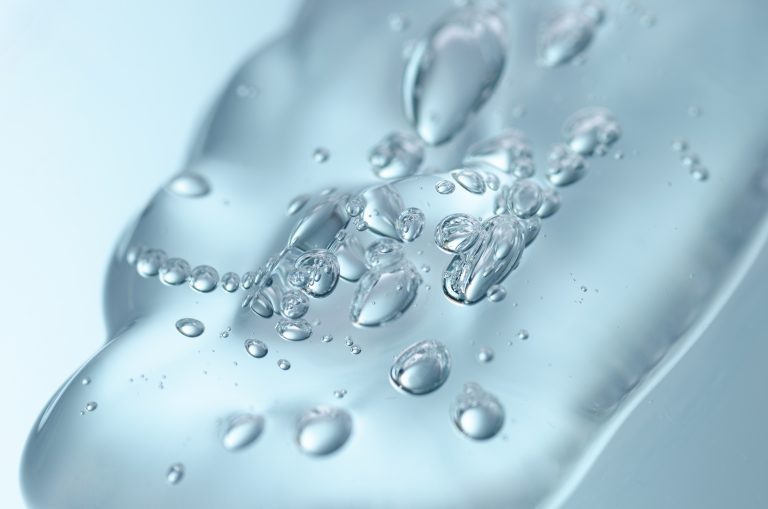
Glycerine
The Hydration Hero Your Skin Deserves: Why It's More Than Just a Moisturizer
Introduction: Unlocking the Secret to Radiant Skin
The quest for healthy, glowing skin often leads to a focus on new and trending ingredients. However, amidst the ever-evolving landscape of skincare, one foundational compound consistently proves its worth: glycerine. Often recognized simply as a moisturizer, glycerine is, in fact, a remarkably powerful and versatile ally in achieving a resilient and radiant complexion. This report will delve into the scientific intricacies that make glycerine an indispensable component, exploring its fundamental properties, multifaceted benefits, and why it stands as an essential ingredient in high-quality skincare formulations. Understanding the profound role of glycerine is key to appreciating its foundational contribution to skin health.
1. What is Glycerine? The Skincare Essential Defined
Glycerine, chemically known as glycerol, is a simple polyol compound characterized by its chemical formula C3H8O3. It is classified as a trihydroxy alcohol, a designation stemming from the presence of three hydroxyl (-OH) groups within its molecular structure. These hydroxyl groups are pivotal to its high solubility in both water and alcohol. Under standard environmental conditions, glycerine exists as a colorless, odorless, and viscous liquid. Its non-toxic nature and subtly sweet taste further contribute to its widespread adoption across diverse industries, including food, pharmaceuticals, and cosmetics.
Glycerine naturally occurs as a constituent of lipids, specifically in the form of triglycerides, which are abundantly found in both animal and plant sources. This natural occurrence forms the basis for its primary extraction methods.
Natural Origins vs. Synthetic Production
The glycerine utilized in various applications today is produced through both natural and synthetic pathways. Natural, or vegetable, glycerine is predominantly derived from plant oils such as soybean, coconut, or palm oils. The traditional methods for obtaining it involve processes like saponification, hydrolysis, or transesterification of triglycerides. The resulting product is a transparent, odorless liquid with a consistency resembling syrup.
Conversely, synthetic glycerine offers an alternative production route. This form is chemically synthesized, often utilizing propylene, a petroleum derivative, as its primary feedstock. This method provides a means of producing glycerine without reliance on natural fats and oils.
Why the Source Matters (or Doesn’t)
From a purely functional standpoint, both naturally derived and synthetic glycerine exhibit comparable purity and properties, demonstrating equal effectiveness in delivering their functional benefits to the skin. However, consumer preferences frequently lean towards vegetable glycerine. This inclination is largely driven by its natural origin, which resonates strongly with consumers seeking plant-based and non-animal-derived products. It is also observed that some natural brands consciously choose to avoid glycerine sourced from corn or soy if these crops are genetically modified organisms (GMOs). Furthermore, animal-based glycerine has occasionally been noted for being less purified and having a propensity to become rancid more quickly compared to its vegetable counterpart.
The careful selection of glycerine’s source can significantly influence consumer perception and foster brand loyalty. Explicitly communicating the origin of glycerine, for instance, by stating “our product uses pure, plant-derived glycerine,” allows a brand to connect with the increasing consumer demand for natural, sustainable, and ethically sourced ingredients. This transforms a basic ingredient fact into a compelling brand narrative and provides a competitive advantage in the market, building deeper trust and alignment with a target demographic that values transparency and natural origins.
The chemical characteristics of glycerine, including its polyol structure with three hydroxyl groups, high water solubility, viscosity, non-toxic nature, and lack of odor , underscore its exceptional versatility. This broad utility explains its pervasive presence across numerous industries, ranging from food and beverages to pharmaceuticals and cosmetics. Its extensive and diverse applications across such varied sectors demonstrate its proven safety, stability, and efficacy. This inherent credibility positions glycerine not as a fleeting trend but as a reliable, time-tested, and essential component of effective formulations. For a skincare brand, this reinforces the product’s quality and the careful selection of its ingredients, assuring consumers of its established benefits.
2. Glycerine’s Core Power: The Humectant Advantage
At its fundamental level, glycerine is universally recognized as a powerful humectant. Humectants are defined as “water-loving” or hydrophilic ingredients, possessing the unique capacity to actively attract and draw water molecules.
Glycerine’s Unique Mechanism of Action
The mechanism by which glycerine operates distinguishes it from other moisturizing agents, such as emollients, which primarily smooth the skin, and occlusives, which form a protective barrier. Humectants like glycerine actively pull moisture into the skin’s uppermost layers, specifically the stratum corneum. This remarkable feat is achieved by drawing water from two critical sources: the surrounding environment (air) and, crucially, from the deeper layers of the skin, known as the dermis. The three hydrophilic hydroxyl groups within glycerine’s structure are fundamental to its exceptional capacity to bind and retain water. Furthermore, glycerine possesses the ability to permeate the stratum corneum, effectively creating a “reservoir” of moisture within the deep layers of the lipid bilayers. This intricate mechanism ensures a sustained and profound hydration effect.
Why Glycerine is a Top-Tier Humectant
Consistent findings from numerous studies and expert opinions identify glycerine as the most effective humectant available for significantly increasing hydration in the skin’s top layer. It has demonstrated superior performance compared to other well-known humectants, including hyaluronic acid, urea, sorbitol, and propylene glycol, in its ability to absorb and retain water. Remarkably, its hydrating effectiveness persists to some extent even after the product containing it is no longer actively present on the skin’s surface , indicating a lasting impact on skin moisture.
The detailed scientific explanation of glycerine’s function, particularly its ability to permeate the stratum corneum and create a “reservoir” within the lipid bilayers, along with its influence on the crystalline arrangement of lipids (inhibiting their transformation from liquid to solid, a common state in dry skin) , highlights a profound, structural interaction with the skin’s moisture-retaining components. This clarifies why glycerine provides long-term hydration and why its beneficial effects can endure even after the product has been removed from the skin’s surface. This positions glycerine as an ingredient that does not merely offer transient moisture but actively contributes to the skin’s intrinsic capacity to maintain hydration and a healthy lipid barrier, leading to visibly smoother and more supple skin over time.
Beyond its humectant capabilities, glycerine also plays an active role in skin renewal and exfoliation. It normalizes the enzyme activity responsible for the decomposition of the keratinocyte complex, which is essential for healthy, natural keratin removal. It also exhibits a “desmolytic effect” , and its moisturizing properties facilitate easier skin exfoliation. This suggests that glycerine is not just a passive hydrating agent but actively participates in the skin’s natural physiological processes. By supporting the skin’s natural exfoliation and renewal, glycerine contributes to a smoother skin texture, a more even tone, and an overall healthier complexion, elevating its status to an ingredient that actively improves skin function and appearance, enhancing the skin’s natural glow.
3. Beyond Hydration: Unveiling Glycerine’s Multifaceted Skin Benefits
Glycerine’s contributions to skin health extend far beyond simple hydration, encompassing a range of interconnected benefits that collectively promote a healthier, more resilient complexion.
Deep and Lasting Hydration for Supple Skin
Glycerine is unparalleled in its capacity to maintain the skin’s moisture balance, ensuring it remains supple and plump. It efficiently draws water into the stratum corneum, the outermost layer of the skin which is most susceptible to drying, and plays a critical role in retaining this moisture.
Fortifying the Skin Barrier: Protection Against Moisture Loss and Irritants
Maintaining adequate hydration is foundational for a strong and intact skin barrier. Glycerine actively supports this natural barrier function, significantly preventing transepidermal water loss (TEWL). A robust skin barrier is crucial for protecting the skin from environmental stressors, pollutants, and irritants, thereby reducing dryness, irritation, and increased sensitivity. It also helps maintain the optimal crystallinity and fluidity of cell membranes and intracellular lipids, further reinforcing the barrier’s integrity.
The Anti-Aging Ally: Smoothing Fine Lines and Enhancing Elasticity
Well-hydrated skin is inherently less susceptible to the visible appearance of fine lines and wrinkles. Glycerine contributes to smoothing the skin’s surface, which improves overall texture and promotes a more youthful glow. Furthermore, it has a stabilizing effect on collagen, a vital protein that helps improve the skin’s elasticity and firmness, contributing to a more youthful complexion.
Soothing and Calming Sensitive or Irritated Skin
Glycerine’s gentle and non-irritating nature makes it exceptionally suitable for individuals with sensitive or compromised skin, including those managing conditions like eczema or psoriasis. It actively helps to soothe and calm the skin, effectively reducing redness and inflammation. Its barrier-boosting properties further provide a crucial protective shield for sensitive skin against potential irritants.
Supporting Skin Repair and Natural Exfoliation
Studies indicate that glycerine can significantly aid in faster skin repair and wound healing by ensuring the affected area remains adequately moisturized, a condition essential for effective tissue regeneration. Its profound moisturizing effect also facilitates easier natural exfoliation of dead skin cells, leading to a visibly smoother and softer skin texture. It also normalizes enzyme activity crucial for proper keratin removal.
Brief Mention of Antimicrobial Properties
Glycerine exhibits moderate antimicrobial and antiviral properties, making it beneficial in the treatment of wounds. In product formulations, it acts as a bacteriostatic and fungistatic agent by reducing the water activity available for microorganisms to thrive , thereby contributing to the overall preservation and safety of the product.
The array of benefits attributed to glycerine—deep hydration, barrier repair, anti-aging, soothing, wound healing, and exfoliation—are not isolated functions but rather a highly interconnected network. For instance, improved hydration directly leads to a stronger skin barrier , which in turn reduces sensitivity and provides enhanced protection against environmental factors that contribute to aging. The antimicrobial property further supports overall skin health by inhibiting the proliferation of harmful microorganisms. This comprehensive interplay of benefits positions glycerine not merely as a “hydrator” but as a multi-functional ingredient that supports the skin’s holistic health, resilience, and natural protective mechanisms. Incorporating glycerine contributes to a product that offers broad, foundational benefits for overall skin well-being, enhancing its appeal beyond addressing a single skin concern.
Table 1: Glycerine’s Top Skin Benefits
Benefit | How it Works | What it Means for Your Skin |
Deep Hydration | Attracts water from the environment and deeper skin layers, creating a lasting moisture reservoir within the skin. | Keeps skin supple, plump, and effectively prevents dryness, flakiness, and tightness for a soft feel. |
Skin Barrier Fortification | Prevents transepidermal water loss (TEWL) and supports the healthy structure of skin lipids, protecting against external aggressors. | Reduces irritation, sensitivity, and enhances the skin’s natural defense mechanism, making it more resilient. |
Anti-Aging Support | By intensely hydrating the skin, it helps to smooth the appearance of fine lines, and it stabilizes collagen for improved elasticity and firmness. | Promotes a more youthful, smoother, and firmer complexion with a healthy glow. |
Soothing & Calming | Its gentle, non-irritating nature calms the skin, reducing redness and inflammation effectively. | Ideal for sensitive, irritated, or compromised skin conditions, bringing relief and comfort. |
Enhanced Skin Repair & Renewal | Aids wound healing by maintaining optimal moisture levels and normalizes the skin’s natural exfoliation process. | Supports faster recovery from damage, promotes a smoother texture, and contributes to a healthy, radiant skin appearance. |
4. Glycerine for Every Skin Type: A Universal Ingredient
Glycerine is remarkably versatile and exhibits a gentle effect on the skin, making it highly suitable for a wide spectrum of skin types. This includes normal, dry, oily, combination, sensitive, and even acne-prone skin.
Benefits Tailored to Specific Needs
For dry or dehydrated complexions, glycerine’s humectant properties are a lifeline. It excels at drawing in moisture from both the ambient air and the deeper skin layers, providing much-needed hydration and actively helping the skin barrier to lock that moisture in.
For oily and acne-prone skin types, a common concern is finding hydration without exacerbating oiliness or causing breakouts. Glycerine addresses this perfectly, as it hydrates effectively without clogging pores or feeling greasy, due to its non-comedogenic properties. It provides essential light hydration without adding excessive shine.
Given its non-irritating and gentle nature, glycerine is an ideal ingredient for individuals with sensitive skin or those managing chronic conditions like eczema or psoriasis. It actively helps to soothe and calm irritation, reduce redness, and alleviate inflammation. Its proven barrier-boosting effect further provides a crucial protective shield for vulnerable skin against potential irritants.
For those with combination skin, glycerine proves to be an excellent choice. It effectively hydrates dry areas of the face while simultaneously regulating moisture levels across the entire complexion, without increasing oiliness in the T-zone. This balanced approach ensures comfort and hydration for all areas.
The consistent emphasis across multiple sources that glycerine is suitable for all skin types, coupled with its non-comedogenic and non-irritating nature, points to its exceptional safety profile and broad applicability. This makes it an almost “default” or “safe bet” ingredient for formulators aiming for wide consumer appeal. This indicates that glycerine is an excellent foundational ingredient that ensures a product can cater to a very wide audience, minimizing the risk of adverse reactions and maximizing market reach. It simplifies product development and marketing by addressing a universal need for hydration and barrier support across diverse skin concerns, making the product inherently inclusive.
5. Debunking Glycerine Myths: Separating Fact from Fiction
Despite its numerous well-documented benefits, some common misconceptions about glycerine persist in the skincare world. It is important to clarify these based on scientific facts.
Myth 1: Glycerine is Sticky and Greasy.
The Truth: While pure, undiluted glycerine can indeed have a slightly sticky or tacky texture, especially when used in very high concentrations , this is rarely how it is incorporated into consumer skincare products. In properly formulated skincare products, glycerine is used at optimal, balanced concentrations (typically, 2-5% is recommended for formulations to avoid stickiness ; concentrations below 60% are optimal for moisture retention without issues ). At these carefully controlled levels, glycerine absorbs quickly into the skin, leaving behind a smooth, hydrated feel without any greasy residue or unpleasant tackiness.
Myth 2: Glycerine Causes Breakouts.
The Truth: This is a common misconception that is unequivocally false. Glycerine is scientifically classified as non-comedogenic, which means it does not clog pores or contribute to the formation of acne. In fact, its ability to provide effective yet light hydration without adding greasiness makes it a highly beneficial ingredient for oily and acne-prone skin types, helping to maintain moisture balance without exacerbating breakouts.
Myth 3: Glycerine Dehydrates Skin in Dry Climates.
The Truth: This is one of the most persistent and widely misunderstood myths about glycerine. As a humectant, glycerine’s primary function is to attract moisture from the ambient air into the skin. It can also draw water from the deeper layers of the skin (the dermis) to the outermost surface (epidermis) , which is an integral part of its hydrating mechanism. However, the risk of paradoxical dehydration or even blistering only arises when pure, undiluted glycerine is applied directly to the skin, particularly in environments with extremely low humidity. Crucially, properly formulated skincare products contain glycerine in safe, diluted, and balanced concentrations, often combined strategically with occlusive ingredients to effectively trap the moisture attracted by glycerine, thereby ensuring comprehensive hydration without any risk of dehydration.
Myth 4: Synthetic Glycerine is Inferior to Natural Glycerine.
The Truth: As previously discussed, both natural (vegetable-derived) and synthetic forms of glycerine undergo rigorous purification processes to ensure their quality, safety, and efficacy. In terms of their functional benefits and performance for the skin, they are chemically identical and function equally well. The choice between them often comes down to consumer preference for natural origins, ethical considerations, or cost-effectiveness for manufacturers.
The detailed debunking of common myths, particularly concerning “dehydration in dry climates” and “stickiness/greasiness” , powerfully illustrates that an ingredient’s performance is not solely inherent but is profoundly influenced by its concentration and the overall product formulation. The research explicitly states that “Professional chemists typically create the perfect ratio of ingredients in skincare products”. This highlights that while pure glycerine might have drawbacks, a well-crafted product leverages its benefits while mitigating potential issues. This provides a valuable opportunity to underscore the importance of formulation expertise and commitment to scientific rigor. It communicates to the consumer that the nuanced science behind ingredients like glycerine is understood, and its concentration within products is meticulously balanced to optimize benefits and entirely avoid potential drawbacks. This transparency and demonstration of expertise significantly build trust in the product’s quality, safety, and effectiveness.
Table 2: Glycerine Myths vs. Facts
Common Myth | The Truth |
Glycerine is sticky and greasy. | Only in high, undiluted concentrations. In properly formulated skincare products, it absorbs quickly, leaving a smooth, hydrated feel without residue. |
Glycerine causes breakouts. | It is non-comedogenic and provides light, non-greasy hydration, making it suitable for all skin types, including oily and acne-prone. |
Glycerine dehydrates skin in dry climates. | This risk applies only to pure, undiluted glycerine. Properly formulated products combine glycerine with other ingredients to ensure effective hydration without dehydration. |
Synthetic glycerine is inferior to natural. | Both forms are highly purified and equally effective for delivering skin benefits; the preference for natural is typically based on sourcing values. |
6. The Synergistic Power: How Glycerine Works with Other Ingredients
In effective skincare formulations, glycerine is rarely found in isolation. Instead, it functions as a highly collaborative ingredient, working synergistically with other categories of moisturizing agents to deliver comprehensive and superior skin health benefits.
A Team Player for Optimal Results
Moisturizing ingredients are broadly categorized by their primary function:
Humectants: These are the “water magnets” that actively attract moisture to the skin. Glycerine is often combined with other powerful humectants like hyaluronic acid, urea, xylitol, or sorbitol to optimize and enhance moisturizing effects. It is important to note that while they share a function, different humectants are not always interchangeable in a formula due to their unique properties.
Emollients: These ingredients play a crucial role in repairing the skin’s lipid barrier and smoothing the skin’s surface, effectively reducing roughness, flaking, and discomfort. Interestingly, glycerine itself possesses emollient-type properties, contributing to skin softness.
Occlusives: These form a protective, breathable layer on the skin’s surface. Their primary function is to prevent transepidermal water loss (TEWL) by effectively trapping the moisture attracted by humectants, sealing it into the skin.
Optimal Combinations for Comprehensive Skincare
The most effective and advanced moisturizing products are typically finely-tuned combinations of humectants, emollients, and occlusives. For instance, a common and highly effective strategy involves applying a glycerine-containing product (serving as a humectant) first, followed by a heavier occlusive like petroleum jelly, a rich cream, or a facial oil. This layered approach effectively traps the moisture attracted by glycerine, preventing it from evaporating and ensuring long-lasting hydration. Glycerine’s exceptional compatibility with a wide array of other ingredients makes it an ideal choice for various cosmetic formulations. It can be found in everything from leave-on products like creams, lotions, and serums, to rinse-off products such as soaps and cleansers, as well as hydrating toners and sheet masks.
The consistent emphasis that glycerine works “best in combination with other moisturizing ingredients such as emollients and occlusives” and is found across a wide array of product types highlights glycerine’s role as a foundational or “anchor” ingredient that significantly enhances the overall efficacy of a complex skincare formulation. Its ability to actively attract moisture is the crucial first step, which then allows occlusives to effectively seal that moisture in. This underscores the sophistication of well-formulated skincare products. For a product, it implies that glycerine is not merely an ingredient but a strategic choice, carefully selected to optimize the performance of the entire formulation. This leads to superior, more comprehensive, and longer-lasting hydration and skin health benefits, thereby elevating the perceived value and effectiveness of the product’s overall design and formulation.
7. Why Glycerine is a Star in Our Skincare Product
In crafting our skincare product, we meticulously selected each ingredient for its proven efficacy and synergy. That is why glycerine stands out as a star. We harness the power of high-purity, plant-derived glycerine to deliver unparalleled hydration and robustly support your skin’s natural barrier.
By expertly combining this superior humectant with carefully selected emollients and occlusives, our advanced formula ensures deep, lasting moisture that feels comfortable on the skin—without any stickiness or greasiness. This thoughtful formulation makes our product universally suitable for all skin types, from dry to oily, sensitive to combination. Experience the profound difference of a truly well-formulated product, designed with scientific precision to give your skin the healthy, resilient, and radiant glow it truly deserves.
Conclusion: Embrace the Power of Glycerine for a Healthier, More Radiant Complexion
Glycerine is far more than just a simple moisturizer; it is a fundamental pillar of healthy, resilient skin. Its remarkable ability to attract and retain moisture, strengthen the skin barrier, soothe irritation, support natural healing processes, and even contribute to anti-aging makes it an indispensable ingredient in any effective skincare routine. By understanding the profound science behind this incredible compound and confidently dispelling common myths, consumers are empowered to make informed choices about the products they use. Embracing the hydrating and restorative power of glycerine can unlock the skin’s full potential for lasting radiance and a healthier, more vibrant complexion.